
The 4F Trauma Response: It’s More Than Fight or Flight
When most people think about trauma, they think about “fight or flight.” Some know about “freeze.”
But trauma responses go deeper than that.
In trauma therapy and PTSD treatment, we often talk about the 4F trauma responses:
Fight
Flight
Freeze
Fawn
As trauma therapists we also recognize additional shutdown states: fright, flag, and faint.
If you live with PTSD, anxiety, or unresolved trauma, you may see yourself in these patterns. And if you do, there’s nothing wrong with you. These responses helped you survive.
Trauma and the Nervous System
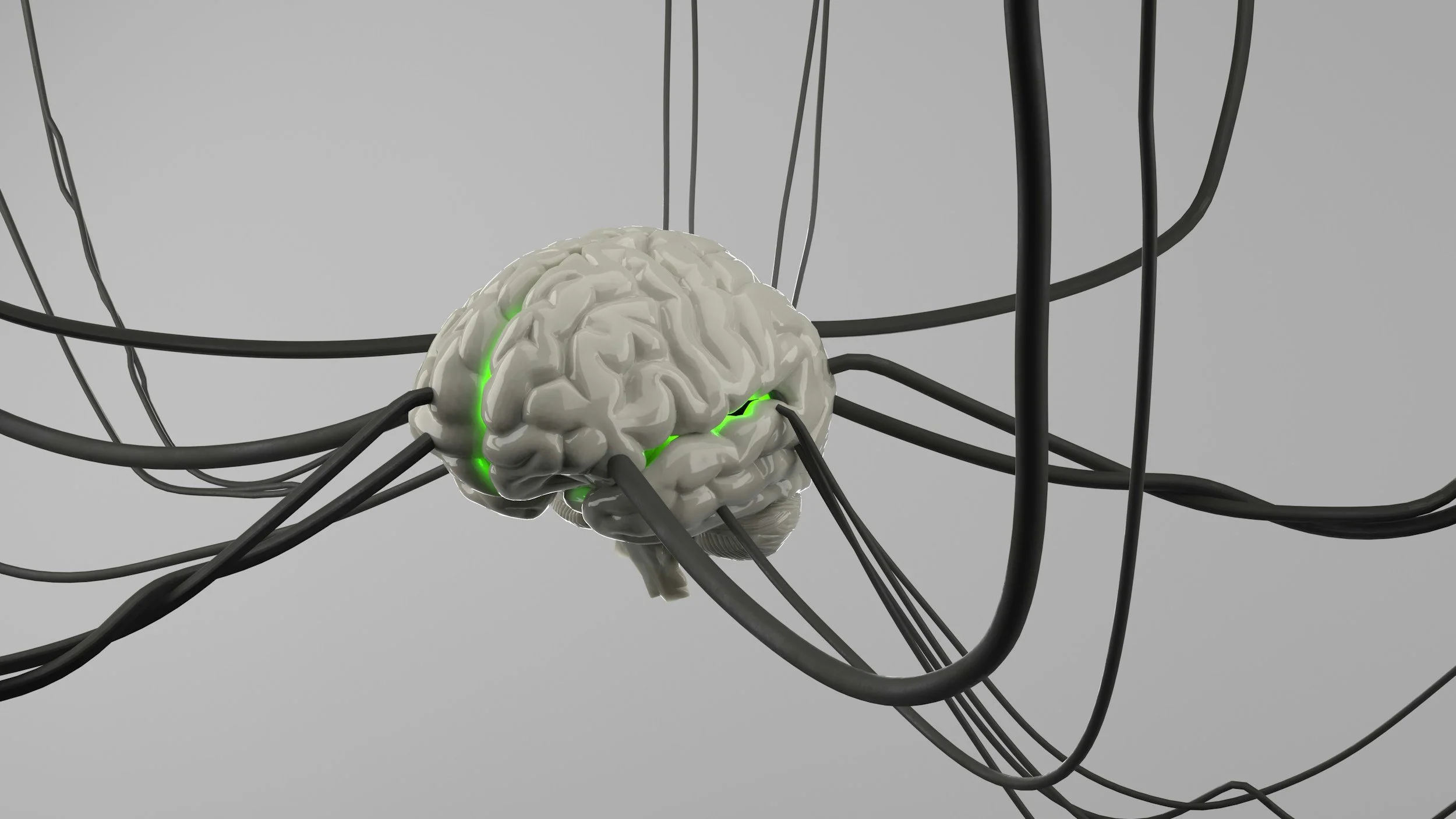
Trauma isn’t just about what happened. It’s about how your nervous system adapted to survive something overwhelming. When your brain senses danger, it activates automatic survival responses. You don’t choose them. They choose you. For people with PTSD, the nervous system can stay stuck in survival mode. That’s why symptoms may include:
Anxiety or panic
Irritability
Emotional numbness
Dissociation
People-pleasing
Avoidance
Feeling constantly on edge
These are not character flaws. They are trauma responses.
The 4F Trauma Responses
Fight
The fight response pushes back against threat. In adults with trauma, this may look like:
Anger or irritability
Defensiveness
Controlling behavior
Underneath fight is often fear.
Flight
Flight tries to outrun danger. It can show up as:
Overworking
Perfectionism
Anxiety
Staying constantly busy
Avoiding difficult emotions
Many high achievers are unknowingly operating from a flight response.
Freeze
Freeze happens when fighting or escaping isn’t possible. You might experience:
Feeling stuck
Procrastination
Numbness
Shutting down in conflict
Difficulty making decisions
Freeze is especially common in trauma and PTSD.
Fawn
Fawn is less talked about but very common in trauma survivors.It focuses on staying safe by keeping others happy.
It may look like:
People-pleasing
Fear of conflict
Difficulty setting boundaries
Losing your own needs in relationships
Fawn often develops in relational trauma, especially in childhood.

Fright, Flag, and Faint:
Shutdown Responses
Some trauma specialists describe additional survival states linked to nervous system shutdown.
Fright
A frozen, hyperaware fear state. You feel trapped and unable to act.
Flag
Energy drops. You may feel foggy, withdrawn, or emotionally flat.
Faint
The body goes into full shutdown. This can include dissociation, collapse, or feeling disconnected from your body. These responses are common in complex trauma and chronic PTSD. They are powerful survival adaptations—not weakness.
How Trauma Therapy Helps
The good news is that trauma is treatable.
Effective PTSD treatment and trauma therapy focus on:
Calming the nervous system
Processing traumatic memories safely
Reducing triggers
Building emotional regulation skills
Restoring a sense of safety
Approaches like EMDR, cognitive-processing therapy, somatic therapy, and attachment-based work can help your brain and body learn that the danger is over. Healing doesn’t mean erasing the past. It means no longer living in survival mode.
You Don’t Have to Stay Stuck
If you recognize yourself in fight, flight, freeze, fawn, fright, flag, or faint, you’re not broken. Your nervous system adapted to protect you. But you don’t have to keep surviving. You can heal.
If you’re ready to begin trauma therapy or explore PTSD treatment, the therapists at Fairfield Counseling Center are here to help.
Schedule an appointment with a trauma therapist at Fairfield Counseling Center today and take the first step toward lasting recovery.