
Understanding Generational Trauma and How to Heal
Unexplained emotional patterns and relationship struggles are frequently rooted in inherited intergenerational trauma rather than personal experiences alone. Fairfield Counseling Center explores how family history impacts mental health and outlines practical, trauma-informed strategies to break the cycle. Read the full guide at Fairfield Counseling Center.
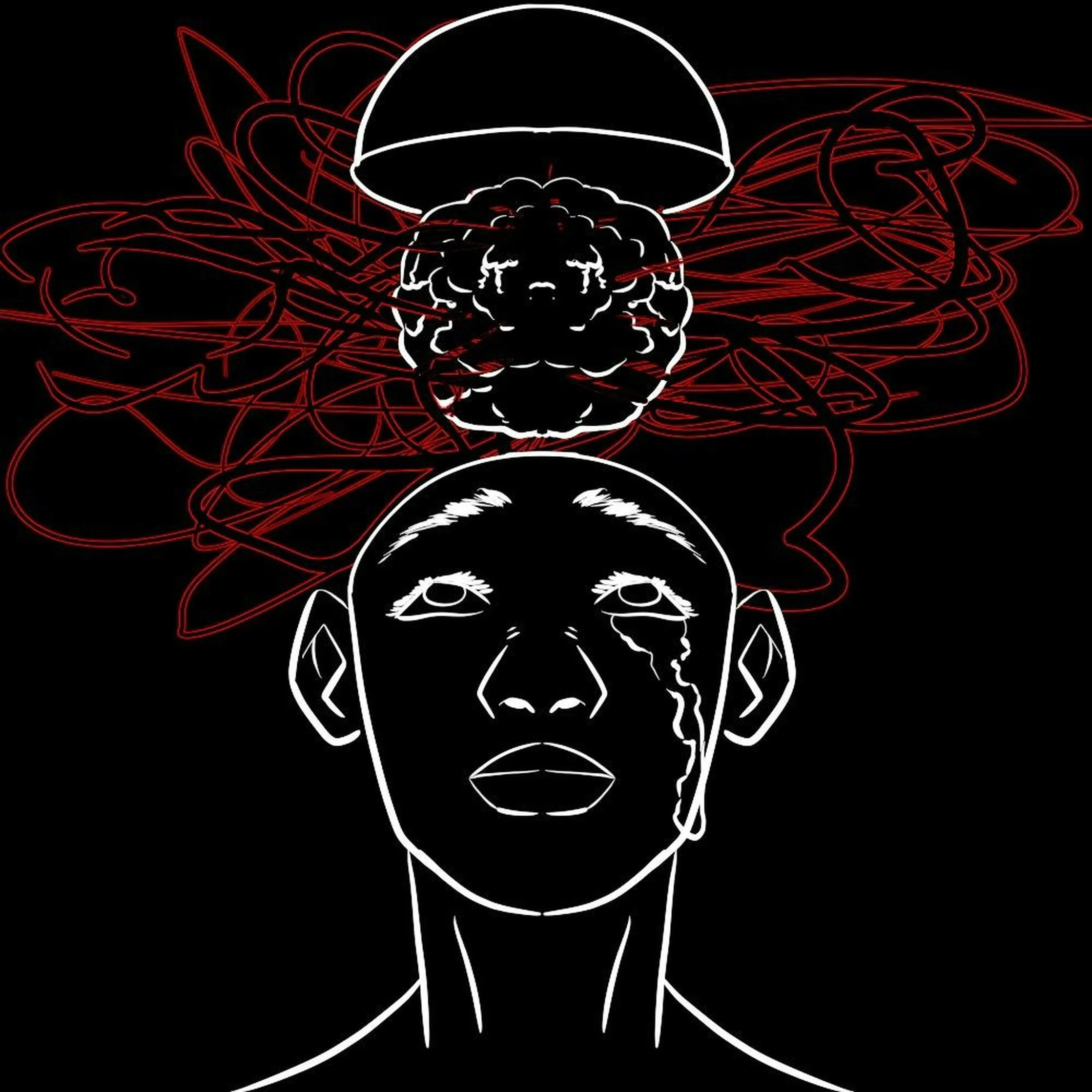
How Trauma Reshapes the Brain: Understanding PTSD, Healing, and Recovery
Trauma can change the way the brain processes fear, emotions, and memories, leaving lasting effects long after a traumatic event has ended. In this article, learn how PTSD affects the brain, why some people develop post-traumatic stress disorder while others don't, the protective factors that promote resilience, and how evidence-based trauma treatment can help. If you're seeking compassionate PTSD therapy or trauma treatment in Fairfield, Fairfield Counseling Center is here to support your healing journey.

How Childhood Trauma Shapes Adult Life: The Hidden Impact of Abuse and Neglect
Childhood trauma can leave lasting emotional wounds that continue to affect relationships, self-worth, anxiety levels, and overall well-being well into adulthood. Experiences of abuse often create the belief "I am not safe," while neglect can lead to the belief "I am alone." These core trauma-related beliefs shape how people navigate the world, often contributing to PTSD symptoms, anxiety, emotional numbness, hypervigilance, and relationship difficulties. Learn how childhood trauma impacts adult life and how evidence-based treatments such as EMDR, CBT, and Schema Therapy can help individuals heal and reclaim a sense of safety, connection, and self-compassion.

Why Avoidance Keeps Trauma and PTSD Symptoms Alive—and How Therapy Helps You Heal
Trauma survivors often rely on avoidance to cope with painful memories and emotions. While avoiding triggers may provide temporary relief, it can actually reinforce PTSD symptoms and keep the brain stuck in survival mode. Learn how evidence-based trauma therapies such as EMDR, Cognitive Processing Therapy (CPT), and Prolonged Exposure Therapy (PE) help individuals break the cycle of avoidance and move toward lasting healing.

Understanding Relational Trauma: Healing Trauma Bonds, Rebuilding Boundaries, and Creating Secure Relationships
Relational trauma can leave lasting effects on emotional health, attachment patterns, and the nervous system. In this article, learn how trauma bonds develop, why setting boundaries with toxic family members can feel so difficult, and how trauma therapy can help individuals heal PTSD symptoms, improve emotional regulation, and build healthier, more secure adult relationships. At Fairfield Counseling Center, we provide compassionate trauma treatment designed to support long-term healing and connection.

“Do I Have PTSD? A Quick Self-Check Guide”
Get answers to common questions about PTSD, trauma symptoms, and how EMDR therapy can help you heal and move forward.

Understanding Negative Core Beliefs in Trauma—and How EMDR Therapy Helps You Heal
Negative core beliefs are deeply ingrained thoughts about ourselves, others, and the world that often develop after traumatic experiences. These beliefs—such as “I’m not safe,” “I’m unworthy,” or “I can’t trust anyone”—can shape how we think, feel, and behave long after the trauma has passed, often keeping us stuck in patterns of anxiety, shame, or disconnection.
EMDR (Eye Movement Desensitization and Reprocessing) therapy helps individuals identify and heal these underlying beliefs by safely reprocessing traumatic memories. Rather than just talking about the past, EMDR works with both the mind and body to reduce the emotional intensity of those experiences and replace negative beliefs with more adaptive, empowering ones.
Through this process, clients can break free from limiting patterns, develop a healthier self-perception, and experience lasting emotional relief—allowing them to move forward with greater confidence, safety, and self-compassion.

Why Cognitive Behavioral Therapy (CBT) Doesn’t Always Work—and What to Do Instead
If you’ve tried cognitive behavioral therapy (CBT) and felt like it just wasn’t “clicking,” you’re not alone—and it doesn’t mean therapy isn’t right for you. While CBT is often considered a gold standard in psychotherapy, it can fall short when it doesn’t address deeper emotional wounds, unresolved trauma, or long-standing core beliefs. For some, the focus on challenging thoughts can feel overly logical or even invalidating, especially when what’s needed is emotional processing, not just cognitive restructuring. Others may find that the structured, homework-driven nature of CBT requires more mental energy than they have—particularly during periods of burnout, anxiety, or crisis. In some cases, CBT can even lead to increased rumination, especially for individuals prone to overthinking or obsessive patterns. If this resonates with you, it may be a sign that a different therapeutic approach—such as trauma-informed therapy, EMDR, or depth-oriented psychotherapy—could better support your healing.

The 4F Trauma Response: It’s More Than Fight or Flight
Learn how the 4F trauma response—fight, flight, freeze, and fawn—along with fright, flag, and faint, impact PTSD. Discover how trauma therapy can help you heal.