
Understanding Negative Core Beliefs in Trauma—and How EMDR Therapy Helps You Heal
If you’ve experienced trauma, you may notice that the impact isn’t just about what happened—it’s about what you came to believe about yourself, other people, and the world afterward.
Many individuals seeking trauma treatment find themselves struggling with deeply held beliefs like “I’m not good enough,” “It was my fault,” or “I’m not safe.” These are known as negative core beliefs, and they are a central focus in EMDR therapy (Eye Movement Desensitization and Reprocessing)—an evidence-based approach for treating trauma.
What Are Negative Core Beliefs?
Negative core beliefs are conclusions your brain formed during or after a distressing experience. In trauma and PTSD, these beliefs are often:
Rigid (they feel absolute and unquestionable)
Emotionally charged (they trigger shame, fear, or guilt)
Stuck in time (they don’t update, even when your current life contradicts them)
Instead of being processed as something that happened in the past, the memory—and the belief attached to it—can feel like it’s still happening now.
Why Trauma Keeps These Beliefs “Stuck”
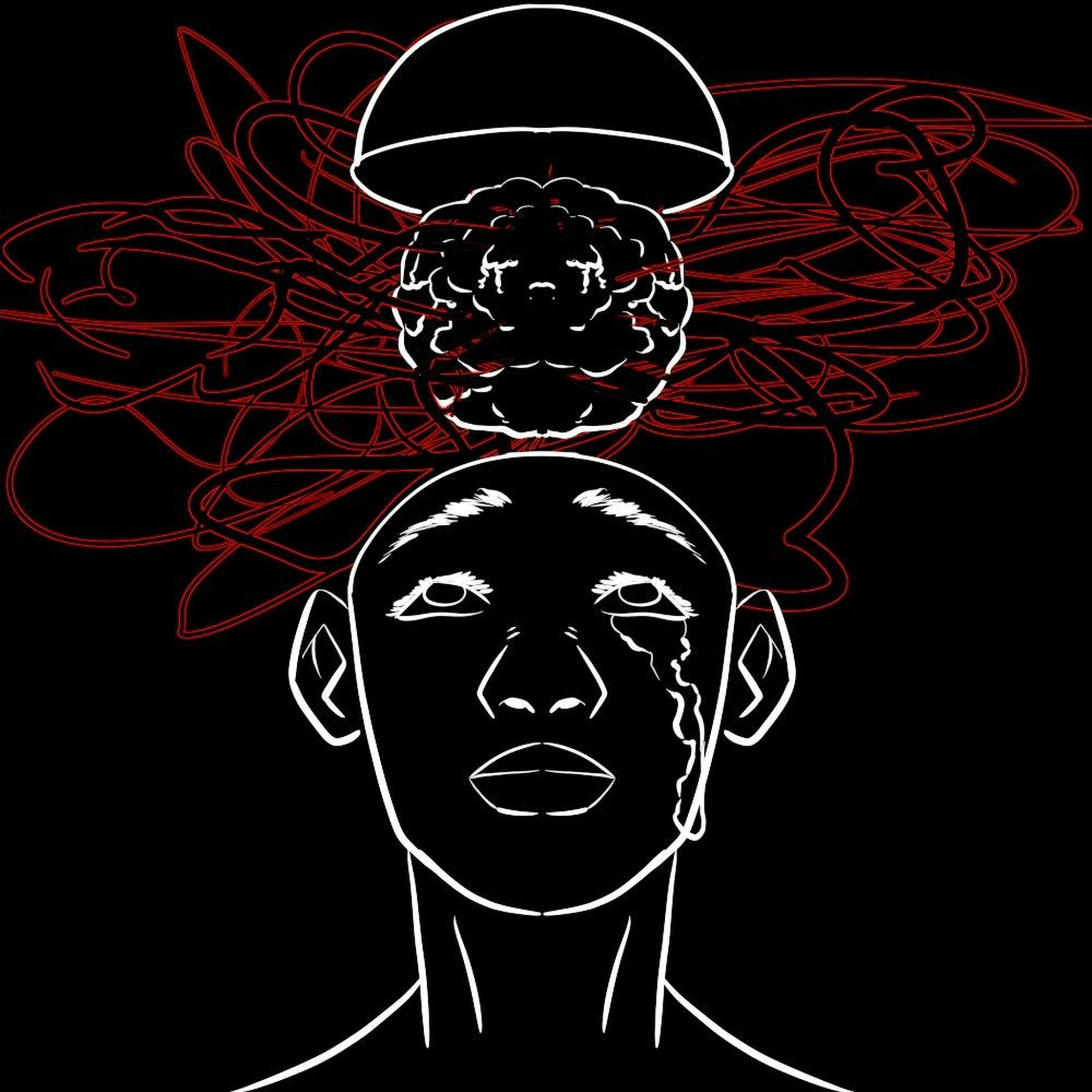
When something overwhelming happens, your brain may not fully process the experience. Instead of integrating it into your broader life story, the memory becomes “frozen” along with the emotions, body sensations, and beliefs that were present at the time.
This is a core feature of trauma and PTSD.
This is also why you might logically know something isn’t your fault—but still feel like it is.
EMDR therapy for trauma and PTSD treatment helps resolve this by allowing the brain to reprocess these memories so they no longer feel immediate or threatening.
The 4 Categories of Negative Core Beliefs in EMDR Therapy
In EMDR, negative beliefs tend to fall into four primary categories:
1. Defectiveness: “There’s Something Wrong with Me”
These beliefs are rooted in shame and a sense of being fundamentally flawed.
Common negative beliefs:
“I am not good enough”
“I am broken”
“I am unlovable”
Example:
Someone who experienced emotional neglect as a child may grow up believing they were ignored because they weren’t worthy of love or attention.
How EMDR therapy helps:
As the memory is reprocessed, the brain begins to separate the event from the self. The belief shifts toward:
“I am worthy”
“I am enough”
“I am lovable”
2. Responsibility: “It Was My Fault”
These beliefs are driven by guilt and self-blame, which are common in PTSD.
Common negative beliefs:
“It was my fault”
“I should have done something differently”
“I caused this”
Example:
A survivor of an abusive relationship may believe they “should have left sooner,” taking responsibility for harm that was not theirs to carry.
How EMDR therapy helps:
EMDR allows the brain to process the full context of the experience. Beliefs often shift toward:
“I did the best I could”
“I am not to blame”
“I have compassion for myself”
3. Vulnerability: “I Am Not Safe”
These beliefs are centered around fear and a sense of ongoing danger.
Common negative beliefs:
“I am in danger”
“Something bad will happen”
“I can’t trust anyone”
Example:
After a traumatic accident, someone may feel constantly on edge, as if another threat is always around the corner.
How EMDR therapy helps:
As the brain reprocesses the memory, it updates from present danger to past event. This allows new beliefs to emerge:
“I am safe now”
“I can trust myself”
“I can handle what comes”
4. Control: “I Am Powerless”
These beliefs reflect helplessness and lack of control.
Common negative beliefs:
“I have no control”
“I am trapped”
“I am weak”
Example:
Someone who felt trapped during trauma may continue to feel powerless in relationships or life decisions.
How EMDR therapy helps:
Reprocessing restores a sense of agency:
“I have choices now”
“I am in control of my life”
“I am strong”
How EMDR Therapy Transforms Trauma and PTSD
EMDR therapy is a highly effective, evidence-based approach for trauma treatment and PTSD therapy. Rather than focusing only on managing symptoms, EMDR helps resolve the underlying experiences that drive them.

During EMDR:
The emotional intensity of memories decreases
Triggers become less reactive
Negative beliefs lose their “truth” feeling
More adaptive beliefs naturally take hold
Clients often describe a shift from “I know it logically” to “I actually feel it now.”
You Don’t Have to Stay Stuck in Trauma
If you’re experiencing ongoing shame, fear, anxiety, or self-blame, it may be a sign that your brain is holding onto unprocessed trauma.
These beliefs made sense at the time—they were your mind’s way of surviving something overwhelming.
But they don’t have to define your future.
With effective trauma treatment like EMDR therapy, healing is possible.
Start EMDR Therapy at Fairfield Counseling Center
At Fairfield Counseling Center, we specialize in EMDR therapy for trauma and PTSD, helping clients move from feeling stuck in painful beliefs to feeling more grounded, empowered, and in control of their lives.
If you’re ready to begin working with an experienced EMDR therapist, we’re here to support you.
Schedule a consultation today and take the first step toward healing from trauma.