

Understanding Generational Trauma and How to Heal
Unexplained emotional patterns and relationship struggles are frequently rooted in inherited intergenerational trauma rather than personal experiences alone. Fairfield Counseling Center explores how family history impacts mental health and outlines practical, trauma-informed strategies to break the cycle. Read the full guide at Fairfield Counseling Center.

High-Functioning Anxiety: When Success Comes With a Constant Inner Struggle
High-functioning anxiety can be difficult to recognize because it often hides behind success, productivity, perfectionism, and responsibility. You may appear to have everything under control while internally struggling with constant worry, overthinking, and the pressure to anticipate and prevent everything that could go wrong. Learn how anxiety can keep you stuck in a cycle of overthinking and control—and how therapy can help you develop a calmer, more flexible relationship with uncertainty.
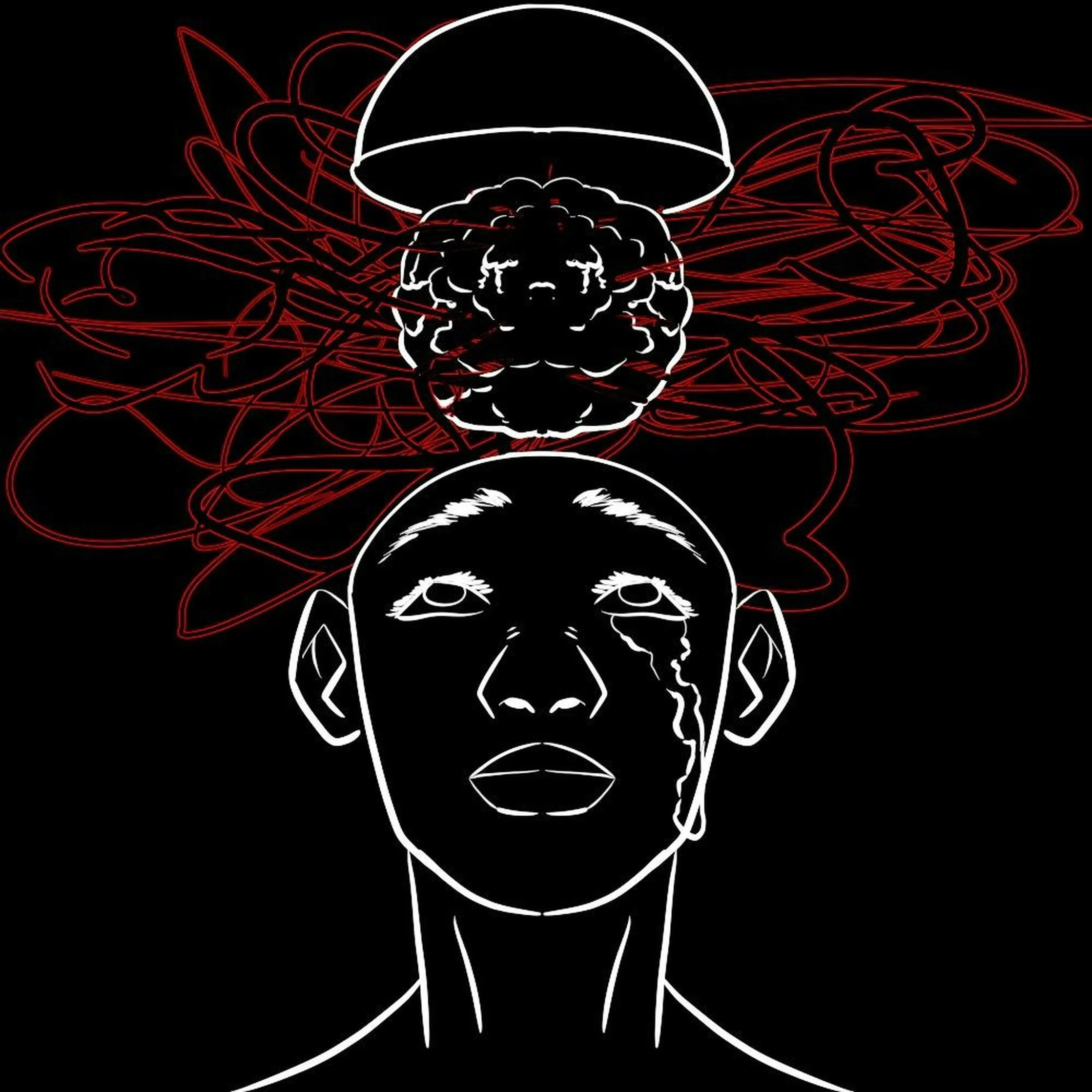
How Trauma Reshapes the Brain: Understanding PTSD, Healing, and Recovery
Trauma can change the way the brain processes fear, emotions, and memories, leaving lasting effects long after a traumatic event has ended. In this article, learn how PTSD affects the brain, why some people develop post-traumatic stress disorder while others don't, the protective factors that promote resilience, and how evidence-based trauma treatment can help. If you're seeking compassionate PTSD therapy or trauma treatment in Fairfield, Fairfield Counseling Center is here to support your healing journey.

Suicidal Obsessions in OCD: Understanding the Difference Between OCD and Suicidal Ideation
Intrusive thoughts about suicide can be one of the most frightening symptoms of Obsessive-Compulsive Disorder (OCD), yet they are often misunderstood. Unlike true suicidal ideation, suicidal obsessions are unwanted, ego-dystonic thoughts that trigger intense anxiety because the person desperately does not want to die. In this article, we explain the critical differences between suicidal obsessions and suicidal ideation, the role of thought-action fusion in OCD, and how Exposure and Response Prevention (ERP) can help people break free from the cycle of fear and compulsions.

How Childhood Trauma Shapes Adult Life: The Hidden Impact of Abuse and Neglect
Childhood trauma can leave lasting emotional wounds that continue to affect relationships, self-worth, anxiety levels, and overall well-being well into adulthood. Experiences of abuse often create the belief "I am not safe," while neglect can lead to the belief "I am alone." These core trauma-related beliefs shape how people navigate the world, often contributing to PTSD symptoms, anxiety, emotional numbness, hypervigilance, and relationship difficulties. Learn how childhood trauma impacts adult life and how evidence-based treatments such as EMDR, CBT, and Schema Therapy can help individuals heal and reclaim a sense of safety, connection, and self-compassion.

OCD, Uncertainty, Doubt, and Confidence: Why the Search for Certainty Keeps You Stuck
OCD thrives on uncertainty and doubt. An intrusive thought triggers anxiety, leading to compulsive behaviors such as checking, reassurance-seeking, mental reviewing, or avoidance. While these compulsions may provide temporary relief, they ultimately strengthen the OCD cycle and make future obsessions feel even more urgent and convincing. The good news is that effective OCD treatment, including Exposure and Response Prevention (ERP) therapy, helps individuals break free from this pattern by learning to tolerate uncertainty and build confidence without relying on compulsions.

Why Avoidance Keeps Trauma and PTSD Symptoms Alive—and How Therapy Helps You Heal
Trauma survivors often rely on avoidance to cope with painful memories and emotions. While avoiding triggers may provide temporary relief, it can actually reinforce PTSD symptoms and keep the brain stuck in survival mode. Learn how evidence-based trauma therapies such as EMDR, Cognitive Processing Therapy (CPT), and Prolonged Exposure Therapy (PE) help individuals break the cycle of avoidance and move toward lasting healing.

Navigating the Post-Grad Blur: Understanding Anxiety After College
Graduating college is a major milestone, but the sudden shift into the "real world" can feel incredibly overwhelming. If you are struggling with career uncertainty, impostor syndrome, or a loss of community, you are not alone. Discover why post-grad anxiety hits so hard and how you can find your footing during this massive life transition.

Understanding Relational Trauma: Healing Trauma Bonds, Rebuilding Boundaries, and Creating Secure Relationships
Relational trauma can leave lasting effects on emotional health, attachment patterns, and the nervous system. In this article, learn how trauma bonds develop, why setting boundaries with toxic family members can feel so difficult, and how trauma therapy can help individuals heal PTSD symptoms, improve emotional regulation, and build healthier, more secure adult relationships. At Fairfield Counseling Center, we provide compassionate trauma treatment designed to support long-term healing and connection.

Imposter Syndrome: Why High-Achievers Struggle with Self-Doubt
People struggling with imposter syndrome often look successful on the outside while privately battling chronic self-doubt, perfectionism, and fear of being “found out.” This post explores why high-achievers are especially vulnerable to anxiety, burnout, and feelings of inadequacy despite their accomplishments. Learn how imposter syndrome develops, how it impacts mental health and relationships, and how therapy can help challenge negative core beliefs, build self-trust, and create a healthier, more balanced sense of self-worth. If self-doubt is keeping you stuck, support and healing are possible at Fairfield Counseling Center.

“Do I Have PTSD? A Quick Self-Check Guide”
Get answers to common questions about PTSD, trauma symptoms, and how EMDR therapy can help you heal and move forward.

Understanding Negative Core Beliefs in Trauma—and How EMDR Therapy Helps You Heal
Negative core beliefs are deeply ingrained thoughts about ourselves, others, and the world that often develop after traumatic experiences. These beliefs—such as “I’m not safe,” “I’m unworthy,” or “I can’t trust anyone”—can shape how we think, feel, and behave long after the trauma has passed, often keeping us stuck in patterns of anxiety, shame, or disconnection.
EMDR (Eye Movement Desensitization and Reprocessing) therapy helps individuals identify and heal these underlying beliefs by safely reprocessing traumatic memories. Rather than just talking about the past, EMDR works with both the mind and body to reduce the emotional intensity of those experiences and replace negative beliefs with more adaptive, empowering ones.
Through this process, clients can break free from limiting patterns, develop a healthier self-perception, and experience lasting emotional relief—allowing them to move forward with greater confidence, safety, and self-compassion.

Why Cognitive Behavioral Therapy (CBT) Doesn’t Always Work—and What to Do Instead
If you’ve tried cognitive behavioral therapy (CBT) and felt like it just wasn’t “clicking,” you’re not alone—and it doesn’t mean therapy isn’t right for you. While CBT is often considered a gold standard in psychotherapy, it can fall short when it doesn’t address deeper emotional wounds, unresolved trauma, or long-standing core beliefs. For some, the focus on challenging thoughts can feel overly logical or even invalidating, especially when what’s needed is emotional processing, not just cognitive restructuring. Others may find that the structured, homework-driven nature of CBT requires more mental energy than they have—particularly during periods of burnout, anxiety, or crisis. In some cases, CBT can even lead to increased rumination, especially for individuals prone to overthinking or obsessive patterns. If this resonates with you, it may be a sign that a different therapeutic approach—such as trauma-informed therapy, EMDR, or depth-oriented psychotherapy—could better support your healing.

When “Just One Task” Turns Into Ten: Understanding OCD Task Chaining and How to Break the Cycle
OCD Task Chaining: Why One Small Task Suddenly Feels Impossible
For many people with OCD, the challenge isn’t just starting a task—it’s everything the mind says comes after it. What begins as something simple, like washing a few dishes, can quickly spiral into a mental chain of “shoulds”: If I wash the dishes, I should clean the counters. If I clean the counters, I should mop the floor. If I mop, I should do the laundry…
This is what we call OCD task chaining—a pattern where one action becomes mentally linked to a cascade of additional tasks, each feeling equally urgent and necessary. Instead of creating motivation, this chain creates overwhelm. The brain treats the entire sequence as one indivisible obligation, making even the first step feel exhausting or impossible to begin.
Over time, this can lead to avoidance, procrastination, and a frustrating sense of being “stuck,” even when you genuinely want to get things done. Understanding this cycle is the first step toward breaking it—and learning how to approach tasks in a way that reduces pressure rather than amplifies it.

Technology and Mental Health: How Social Media Fuels Anxiety in Teens and Young Adults
Social media has become a central part of daily life for many teenagers and young adults, but constant digital connectivity can come at a cost. As a psychotherapist providing anxiety therapy and anxiety treatment, I frequently see how platforms like TikTok and Instagram intensify anxiety through social comparison, pressure to stay constantly connected, and the addictive design of these apps. Social media platforms are engineered to keep users engaged—likes, comments, and endless scrolling trigger small bursts of dopamine in the brain’s reward system, making it difficult to disconnect. For young people whose brains are still developing, this cycle can reinforce compulsive checking, self-doubt, and the feeling of always needing to measure up. Over time, these patterns can significantly contribute to anxiety and emotional stress.

Understanding OCD and Rumination: How ERP Treatment Can Help
Intrusive thoughts can feel overwhelming, distressing, and impossible to ignore. For those struggling with OCD, the cycle of doubt, anxiety, and mental rituals can quietly take over daily life. Exposure and Response Prevention (ERP) offers a proven, effective way to break this cycle—helping individuals face fears without compulsions and regain control with confidence.

The 4F Trauma Response: It’s More Than Fight or Flight
Learn how the 4F trauma response—fight, flight, freeze, and fawn—along with fright, flag, and faint, impact PTSD. Discover how trauma therapy can help you heal.