
Behind the Closed Door: Power, Campus Sexual Assault, and the Healing Path Forward
When high-profile news breaks—like the devastating details surrounding the Cornell University sexual assault cases—the air in my clinical practice shifts. As a therapist specializing in trauma treatment in Fairfield, CT, my sessions become a safe place for an influx of raw, heavy emotion.
For survivors of sexual assault, national headlines aren't just news stories. They are visceral, full-body triggers. This week, I’ve sat with an overwhelming number of clients who were flooded with memories of their own college years. The reality is heartbreaking: a staggering percentage of the clients I treat carry the invisible, agonizing weight of campus sexual trauma.
Understanding the "Red Zone" and the Myth of Desire
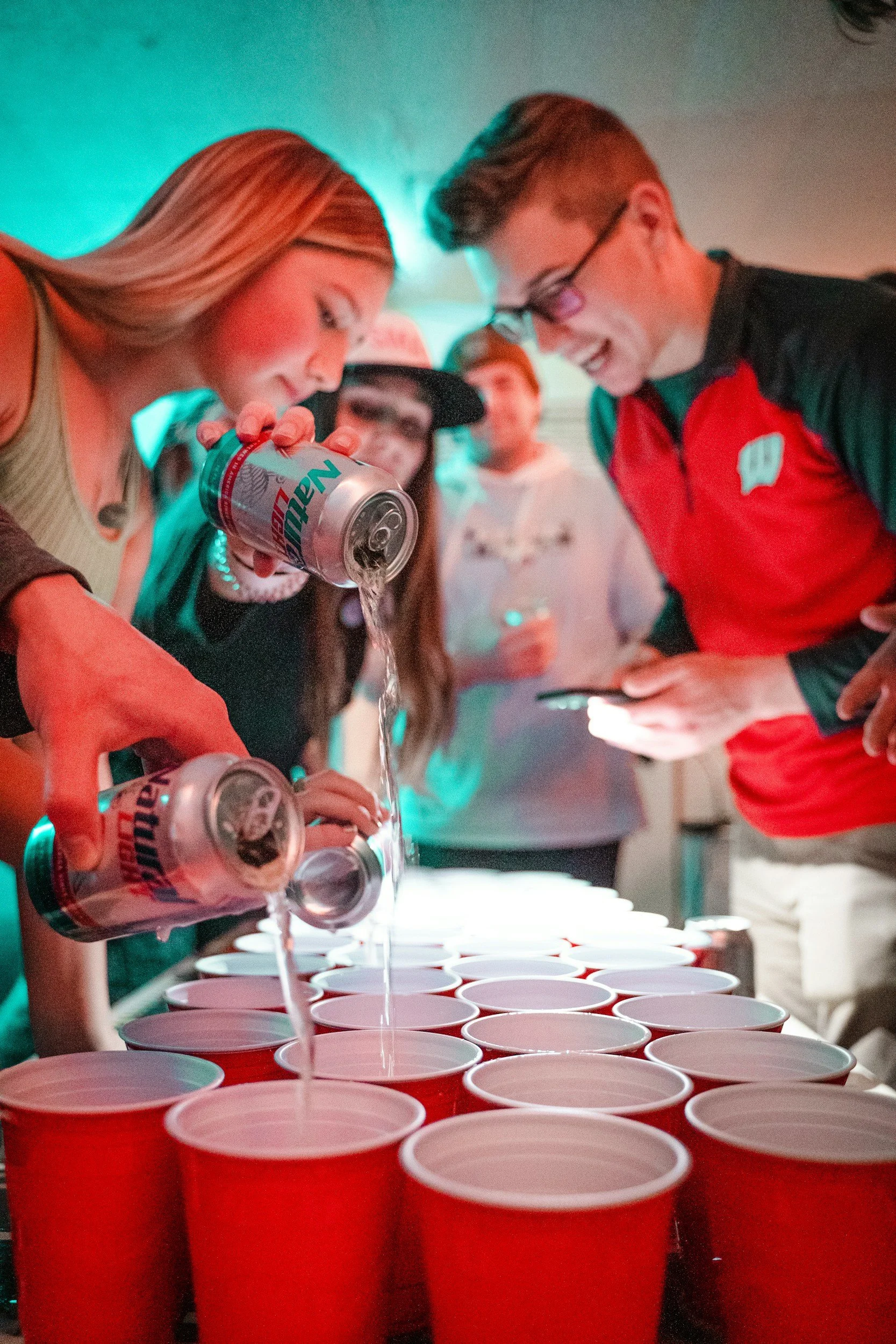
In campus advocacy, we often talk about the "Red Zone"—the period from the first day of freshman year through Thanksgiving break when new college students face the highest statistical risk of sexual assault. But naming the timeline doesn’t explain the toxic mechanics behind why it happens.
To truly understand campus sexual violence, we have to dismantle the lie that it is driven by uncontrollable sexual desire. Let’s look at the brutal reality of these cases: obviously, no man genuinely looking for intimacy wants to have sex with a woman who is completely intoxicated, incapacitated, and has just had sex with multiple other people.
When we look at that scenario clearly, the illusion of "passion" evaporates. This isn't about sex. Rape is entirely about power, control, and a desperate, distorted need to prove toxic masculinity to other men. In these environments, a woman’s body is reduced to a prop—a tool used by perpetrators to perform dominance and secure social status within a culture of violence.
The Quiet Reality of Who Pays the Price
A client once looked at me through tears and said words that I hear echoed in various forms every single semester: “I didn’t want to be known as the girl that was raped.”
This profound fear of being socially defined by a violation is exactly why the vast majority of campus victims never report their assault to the university or the police. Instead, they carry the secret alone.
The structural injustice of campus assault is infuriating. Most of the time, the perpetrator faces zero consequences, remaining integrated in their social circles, sports teams, or fraternities. Meanwhile, it’s the survivor whose life is uprooted. They are the ones who suffer through plummeting grades, endure severe PTSD symptoms, and ultimately feel forced to transfer to a different college or drop out entirely just to feel safe again.
The Talk No Parent Wants to Face
As a parent, sending a child off to higher education should be a moment of pure pride. But just as Black parents are forced to have "The Talk" with their sons about how to survive encounters with law enforcement, I found myself sitting down with my own daughter before she left for college, having a conversation born entirely out of fear.
I had to coach her on hyper-vigilance: Don't leave your drink unattended. Watch your friends. Never walk back alone.
It is a deeply unfair talk to have. We are teaching our daughters how to navigate an unsafe world rather than dismantling the danger itself.
Shifting the Burden: The Real Work Lies with Men
If we want to see a systemic shift in campus safety, our approach to prevention must radically evolve. Right now, the burden of prevention is placed almost entirely on potential victims. But safety rules don't stop predators.

To make a lasting change, we have to do the heavy lifting of working directly with men. We must target the culture that breeds perpetrators, not just offer healing to the victims. To draw a parallel: in order to dismantle systemic racism, it is white people who must do the collective work of unlearning and dismantling privilege. Similarly, to end sexual violence, men must step up to disrupt toxic locker-room talk, challenge fraternity cultures, and actively dismantle the patriarchal scripts that equate masculinity with sexual conquest.
It is also vital to acknowledge that campus sexual violence does not discriminate. While women comprise the majority of survivors, male and transgender students are also victims of sexual assault on campuses, often facing unique barriers to disclosure due to stigma and a lack of specialized, gender-affirming support systems.
Specialized Support for College Students
If you are a student navigating the aftermath of an assault, please know that your academic journey doesn't have to be defined by this trauma. Seeking treatment for college students can help you process the event, manage acute anxiety, and establish academic accommodations so you can reclaim your education on your own terms.
Through evidence-based trauma and PTSD treatment, healing means reaching a place where those memories no longer dictate your daily life.
You Are Not Alone
To anyone reading this who has survived an assault: the headlines may feel loud right now, but your pain is seen, and your voice matters. You are not a statistic, you are not ruined, and you are absolutely not alone. Your story is yours to hold, to share, or to heal from at your own pace—and there is a community of support waiting to walk that path beside you.
👉 If you are looking for a confidential space to process campus trauma, please reach out to learn more about our specialized trauma treatment in Fairfield, CT. Call or text at (203) 581-0053 anytime.
If you or someone you know has been affected by sexual assault, confidential support is available 24/7. You can connect with trained advocates at the RAINN National Sexual Assault Hotline by calling 800-656-4673 or chatting online.