Have you ever wondered why certain emotional patterns, reactions, or anxieties seem to run in your family? While we easily recognize inherited physical traits like eye color or height, we often overlook the psychological legacies passed down through our family trees. Generational trauma—also known as intergenerational or transgenerational trauma—refers to the transmission of unresolved psychological pain, coping mechanisms, and nervous system dysregulation from one generation to the next. For many individuals, what feels like a personal battle with chronic anxiety or a specific stress response is actually a heavy piece of family history that was never fully processed.
Living with inherited trauma can make you feel stuck in a continuous loop of survival mode, but you do not have to carry it forever. Understanding how these patterns function is the first step toward breaking the cycle. Seeking dedicated professional support, such as trauma therapy in Fairfield, can help you begin unpacking these burdens, step out of old survival roles, and build a healthier future for yourself and the generations to come.
What is Generational Trauma?
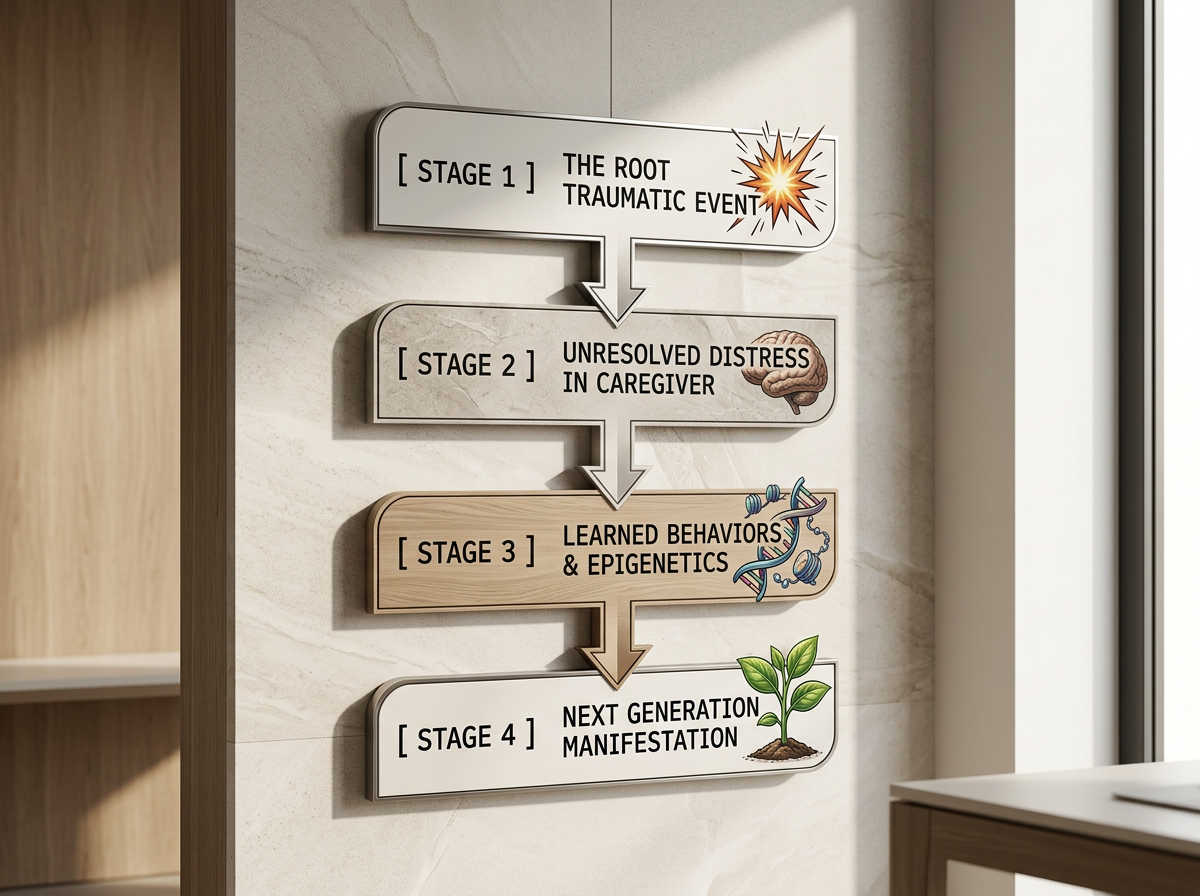
Generational trauma begins when an individual or group experiences a devastating event—such as systemic oppression, domestic abuse, war, or severe neglect—and lacks the resources, safety, or support to process it. Because the emotional pain remains unresolved, it ripples outward, shaping how survivors parent their children, navigate relationships, and view the world.
This transmission happens through two primary pathways:
Learned Behaviors & Dynamics: Children observe and internalize their caregivers' hypervigilance, emotional avoidance, communication barriers, or coping mechanisms as the default standard of "normal".
Epigenetic Adaptation: Scientific research shows that severe trauma can alter gene expression—specifically modifying how the body regulates its stress responses. These biological alterations can be passed down, leaving future generations with a naturally overactive baseline for stress, even if they have never experienced a direct threat themselves.
How Generational Trauma Impacts Mental Health
When family environments are shaped by historical distress, descendants often present with complex clinical symptoms that mimic or compound traditional post-traumatic stress. Understanding the intersection of PTSD and trauma requires looking closely at how family patterns affect day-to-day well-being.
The Cycle of Intergenerational Trauma
Unresolved ancestral wounds typically manifest through several key patterns:
Chronic Hypervigilance: A persistent, exhausting sensation of waiting for the "other shoe to drop," leaving the body stuck in a permanent fight-or-flight state.
Complex PTSD and Trauma Symptoms: Ongoing struggles with emotional flashbacks, intense feelings of shame, unexplained anxiety, or depressive episodes that seem disconnected from one's personal life experiences.
Attachment and Relationship Hurdles: Pervasive trust issues, a fear of vulnerability, or falling into repetitive toxic relationship dynamics inherited from observing earlier family roles.
The Weight of Silence: Family environments where discussing pain, boundaries, or mental health is strictly discouraged, forcing individuals to isolate or suppress their feelings.
The Path to Recovery: Evidence-Based Trauma Treatment
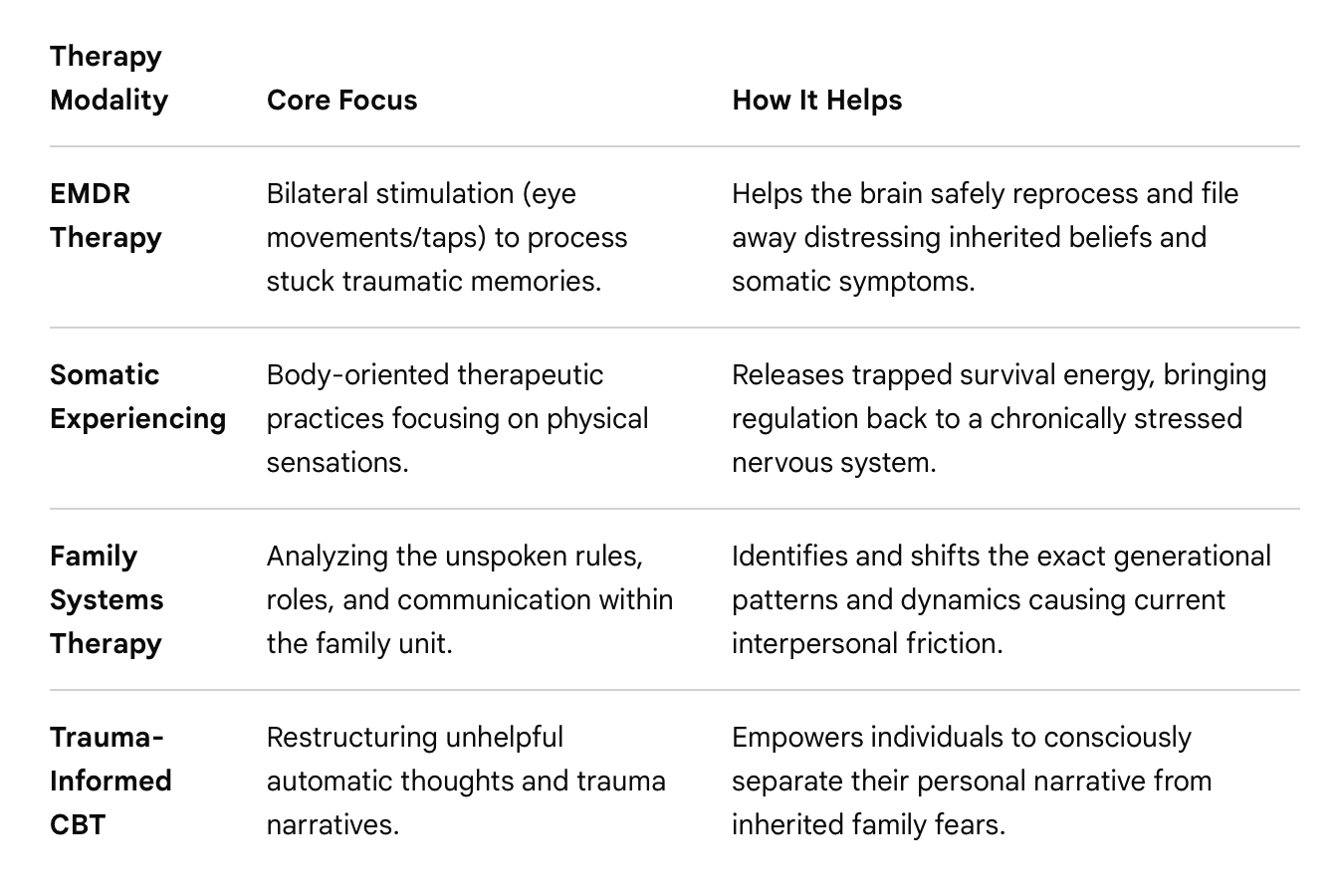
Healing from deeply rooted family patterns requires moving beyond traditional talk therapy. True recovery involves retraining an overactive nervous system and processing memories that have been biologically or behaviorally stored. Effective, evidence-based trauma treatment approaches include:
Break the Cycle: Start Your Healing Journey with Fairfield Counseling Center

You did not cause the trauma passed down to you, but you do have the power to decide where it stops. Acknowledging that your current emotional battles may be connected to an older family story is not an exercise in blame; it is an act of profound self-compassion and empowerment.
Working alongside a therapist who specializes in trauma therapy in Fairfield gives you a safe space to unpack your history, process your symptoms, and re-establish a sense of safety in your own life. You do not have to carry the weight of previous generations alone.
Take the Next Step Toward Healing
If you are ready to explore your history, alleviate chronic anxiety, and experience a life free from inherited survival patterns, support is right here in your community. Contact our Fairfield office today to schedule a confidential consultation and learn more about our comprehensive trauma treatment options.