
How Trauma Reshapes the Brain: Understanding PTSD, Healing, and Recovery
Trauma changes more than memories—it can change the way the brain processes emotions, interprets danger, and responds to everyday life. For individuals living with post-traumatic stress disorder (PTSD), these changes can make the world feel unpredictable and unsafe long after the traumatic event has ended.
The good news is that the brain is remarkably adaptable. With effective trauma treatment, healing is possible. Understanding what happens in the brain after trauma is often the first step toward recovery.
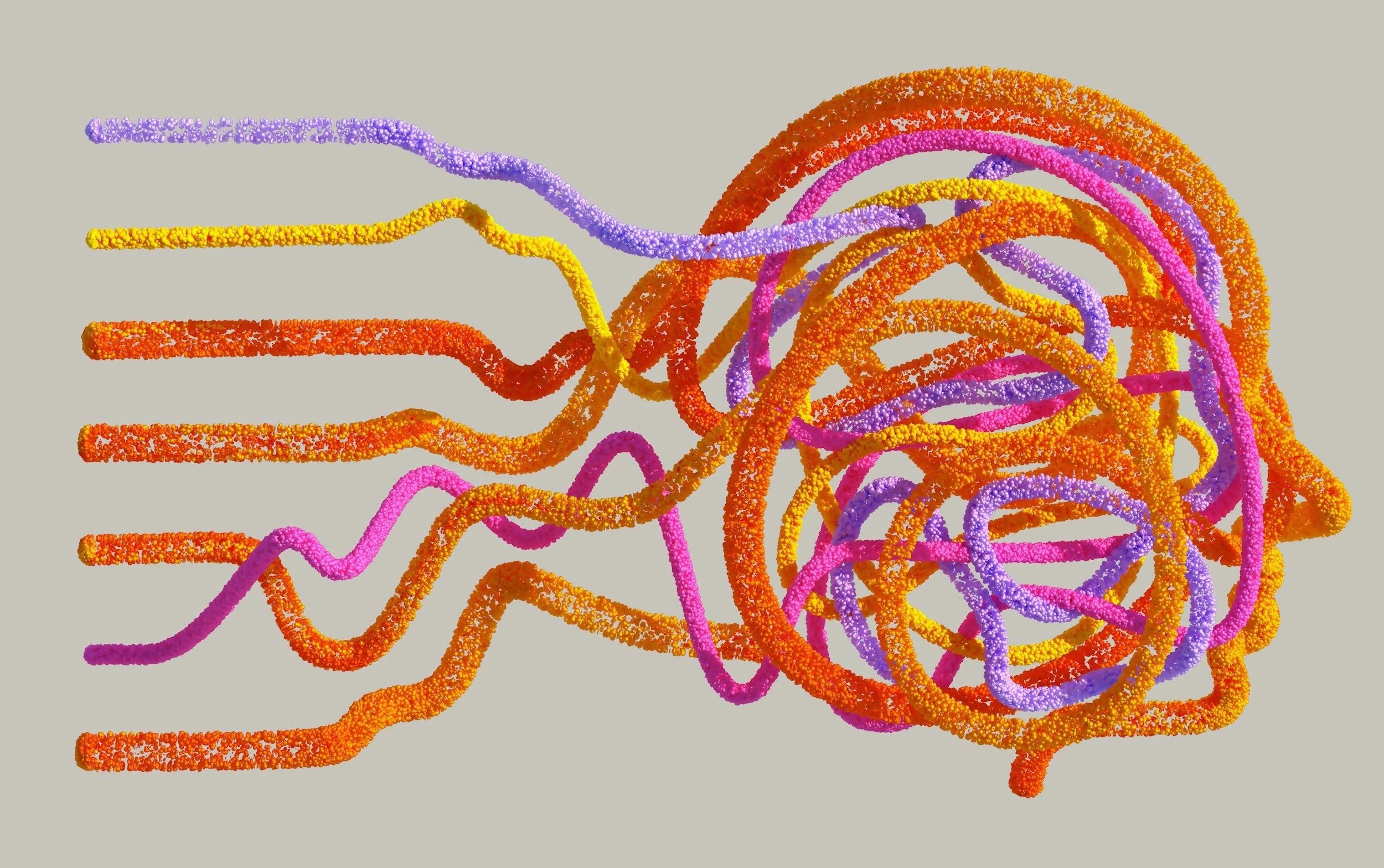
What Happens in the Brain After Trauma?
Our brains are designed to protect us from danger. During a traumatic experience, the brain activates its survival system, triggering the familiar "fight, flight, or freeze" response. Stress hormones like adrenaline and cortisol flood the body, helping us react quickly to immediate threats.
For many people, once the danger has passed, the brain gradually returns to its normal state. However, for some individuals, the brain continues to behave as though the threat is still present. This is what often occurs in PTSD.
Several key brain regions are involved:
The Amygdala: The Brain's Alarm System
The amygdala is responsible for detecting danger and generating fear responses. After trauma, it can become overactive, sounding the alarm even in situations that are objectively safe.
This heightened sensitivity can lead to:
Hypervigilance
Exaggerated startle responses
Persistent feelings of anxiety
Difficulty relaxing
Feeling constantly "on edge"
The brain is attempting to protect the person, but the alarm system has become overly sensitive.
The Hippocampus: Organizing Memories
The hippocampus helps organize experiences into coherent memories and distinguishes past events from present reality.
Trauma can interfere with this process. As a result, traumatic memories may feel fragmented, vivid, or as though they are happening in the present rather than remaining in the past.
This contributes to symptoms such as:
Flashbacks
Nightmares
Intrusive memories
Strong emotional reactions to reminders of the trauma
The Prefrontal Cortex: The Thinking Brain
The prefrontal cortex helps us think logically, regulate emotions, make decisions, and evaluate whether we are truly in danger.
When someone experiences PTSD, this area may become less active during stressful situations. This can make it difficult to calm overwhelming emotions or reassure oneself that the danger has passed.
Individuals may notice:
Difficulty concentrating
Poor memory
Trouble making decisions
Feeling emotionally overwhelmed
Challenges regulating anger, fear, or sadness
How Trauma Affects Emotions
PTSD affects much more than fear. Trauma can change the entire emotional landscape.
People may experience:
Persistent anxiety
Irritability or anger
Emotional numbness
Shame or guilt
Depression
Feeling disconnected from others
Difficulty experiencing joy
Some individuals become highly reactive, while others feel emotionally shut down. Both are common trauma responses.
Many survivors also struggle with trust. Relationships that once felt safe may now feel threatening or exhausting because the nervous system remains on high alert.
How Trauma Changes Thinking
Trauma often alters the way people interpret themselves and the world around them.
Common trauma-related beliefs include:
"I'm not safe."
"People can't be trusted."
"The world is dangerous."
"What happened was my fault."
"I'm damaged."
"I should have done something differently."
These thoughts are not signs of weakness—they are often the brain's attempt to make sense of overwhelming experiences. Unfortunately, these beliefs can keep people trapped in cycles of fear, avoidance, and emotional pain.

Why Do Some People Develop PTSD While Others Do Not?
One of the most common questions people ask is why two individuals can experience similar traumatic events, yet only one develops PTSD.
The answer is complex. PTSD develops through the interaction of biological, psychological, and social factors. Trauma affects everyone differently.
Risk factors that increase the likelihood of developing PTSD include:
Previous trauma, especially during childhood
Repeated or prolonged traumatic experiences
Lack of emotional or social support
High levels of stress after the traumatic event
Existing anxiety or depression
Family history of mental health conditions
Greater severity or unpredictability of the traumatic event
Experiencing trauma alone does not guarantee someone will develop PTSD.

Protective Factors That Promote Resilience
Research has identified several factors that can reduce the likelihood of developing PTSD or support recovery after trauma. Protective factors include:
Strong Social Support
Having trusted family members, friends, or supportive professionals can significantly reduce the impact of trauma.
Feeling believed, understood, and connected promotes healing.
Healthy Coping Skills
People who can express emotions, problem-solve, seek support, and engage in healthy self-care often recover more effectively than those who cope primarily through avoidance or isolation.
Early Intervention
Receiving treatment soon after trauma can reduce the likelihood that symptoms become chronic.
Early therapy helps the brain process traumatic memories before they become deeply entrenched.
Emotional Flexibility
The ability to experience difficult emotions without becoming overwhelmed is associated with greater resilience over time.
A Sense of Meaning
Many trauma survivors eventually find ways to integrate their experiences into their life story without allowing trauma to define them. This process, sometimes called post-traumatic growth, can foster renewed purpose, stronger relationships, and greater self-understanding.
Can the Brain Heal From Trauma?
Absolutely.
One of the most encouraging findings in neuroscience is that the brain remains capable of change throughout life. This ability, known as neuroplasticity, means that new neural pathways can develop as people recover from trauma.
Evidence-based trauma therapy helps calm the nervous system, reduce fear responses, challenge unhelpful beliefs, and process traumatic memories in healthier ways.
Many people experience improvements in:
Sleep
Anxiety
Emotional regulation
Relationships
Concentration
Overall quality of life
Recovery does not mean forgetting what happened. Instead, it means that the traumatic experience no longer controls your daily life.
Compassion Is an Important Part of Healing
Many people living with PTSD blame themselves for their symptoms. They may wonder why they cannot simply "move on."
In reality, PTSD reflects the brain's attempt to protect someone after overwhelming stress. The symptoms represent survival mechanisms that have become stuck long after the danger has ended.
With appropriate treatment, these patterns can change.
Trauma Treatment in Fairfield, CT
If trauma continues to affect your relationships, work, sleep, or emotional well-being, you do not have to navigate it alone.
At Fairfield Counseling Center, we provide compassionate, evidence-based trauma treatment in Fairfield, CT for adults struggling with PTSD, complex trauma, anxiety, and the lasting effects of difficult life experiences. Therapy is tailored to your unique history, helping you process trauma, strengthen coping skills, and move toward lasting recovery in a supportive, judgment-free environment.
Healing from trauma is possible. If you're ready to take the next step, contact Fairfield Counseling Center today to schedule a consultation and learn how personalized PTSD treatment can help you regain a sense of safety, confidence, and hope.